
Custom Aluminum Extrusions: A Practical Guide to Specs and Selection
Anyone sourcing custom aluminum extrusions quickly runs into the same wall: catalogs full of stock shapes that almost fit, but not quite. A bracket that's two millimeters too shallow. A heat sink with fins spaced wrong for the airflow. This gap between "close enough" and "correct" is exactly why custom extrusion exists as its own discipline, separate from buying off-the-shelf aluminum bar stock.
Extrusion itself is a relatively old process. Aluminum billet is heated until it's soft enough to behave almost like toothpaste, then forced through a steel die under enormous pressure. What comes out the other end is a continuous profile matching the die's cross-section. The physics hasn't changed much in decades. What has changed is how precisely manufacturers can control wall thickness, tolerances, and finish, which is what separates a usable custom aluminum extrusion profile from a frustrating one.
Why Standard Profiles Fall Short
Stock aluminum shapes work fine until a project has a constraint that nobody anticipated. Maybe it's a curtain wall system that needs a specific thermal break geometry, or an assembly line frame that has to clear an existing conveyor by exactly 14mm. Standard extrusions are designed for the average case, not the specific one.
This becomes a real problem in three recurring scenarios:
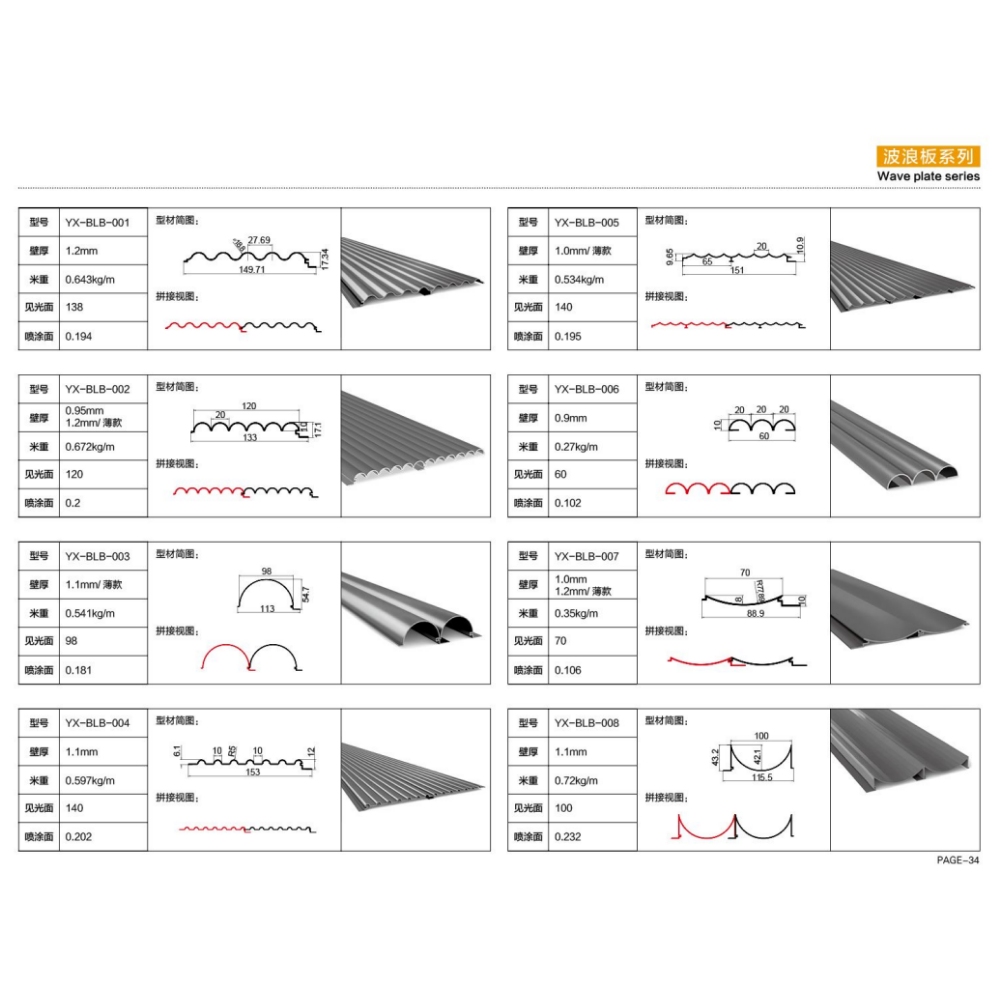
- Architectural systems where a facade's visual rhythm depends on a profile with exact rib spacing or a particular curve radius.
- Heat sink design, where fin height, pitch, and base thickness directly determine thermal performance, and generic shapes rarely hit the target.
- Assembly line framing, where bolt patterns and T-slot positions have to match existing hardware down to the millimeter.
In each case, forcing a standard shape into the role usually means redesigning the surrounding structure instead, which costs more than the extrusion ever would.
How the Custom Die Process Actually Works
Getting a custom profile made isn't a single step, it's a short chain of decisions that each affect the final part. Understanding this chain helps buyers ask better questions when they're evaluating a supplier.
- Drawing review. The manufacturer takes a customer's dimensional drawing or CAD file and checks it against what's extrudable. Sharp internal corners, extreme wall-thickness variation, or overly thin unsupported sections often need small geometry adjustments before tooling starts.
- Die design and cutting. A steel die is machined to match the finalized cross-section. This step determines tolerances and is the main lead-time driver for a new shape.
- Trial extrusion. A short run confirms the die performs correctly under heat and pressure before full production begins.
- Extrusion at scale. Billet is pushed through the die on a hydraulic press, with press tonnage selected based on the alloy and the size of the profile.
- Secondary operations. Machining, cutting to length, drilling, or adding end caps happens after extrusion, depending on how the part will be installed.
- Surface finishing. The final step, covered in more detail below, protects the metal and sets its appearance.
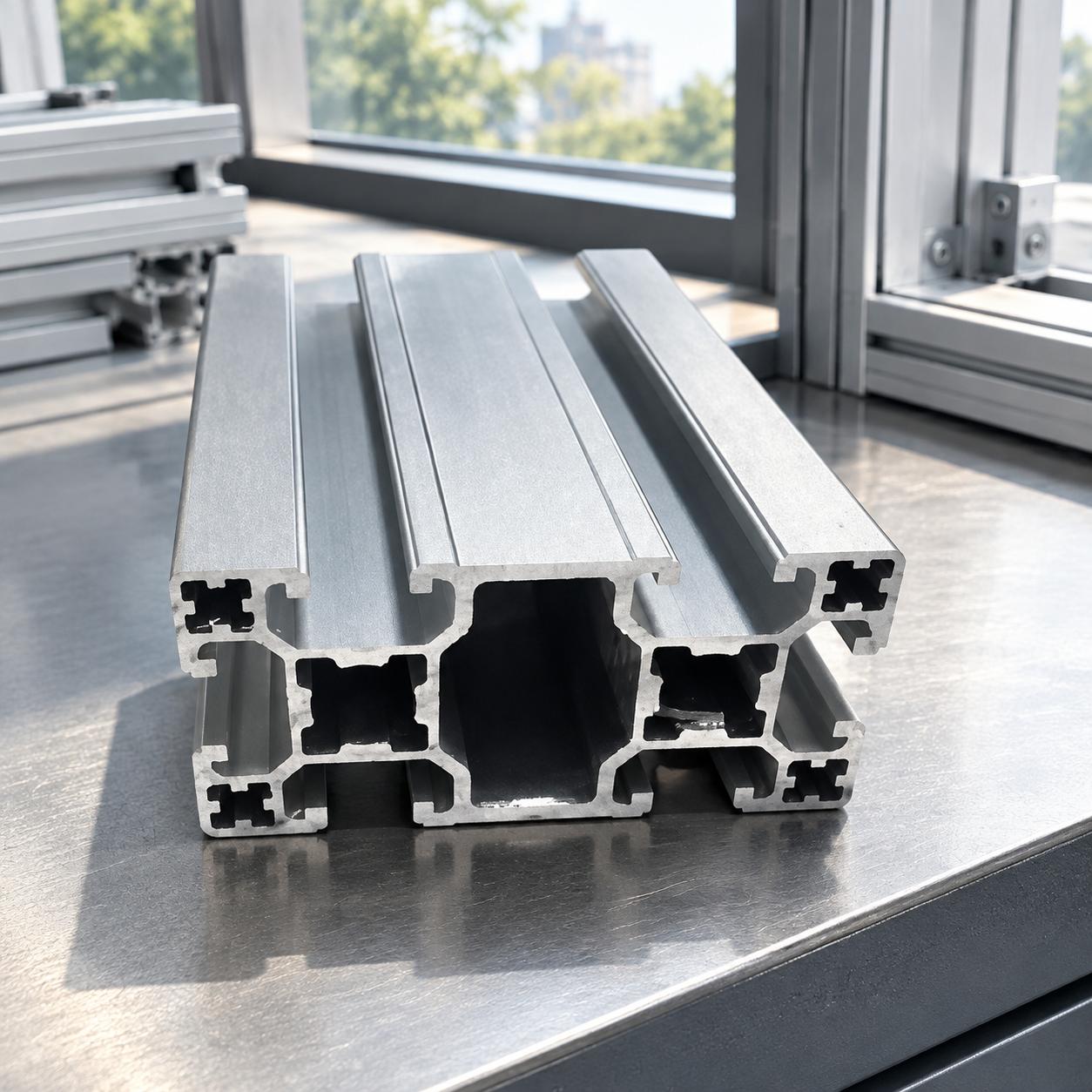
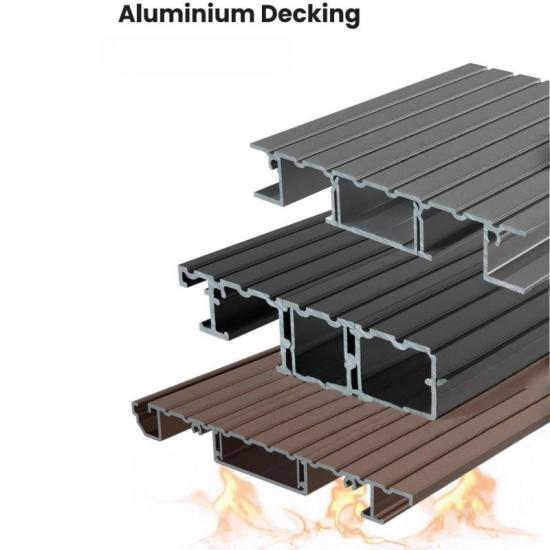
That hollow, multi-wall geometry shown above is a good example of why die design matters. Getting even wall thickness through a complex internal cavity isn't guesswork, it requires experience with how aluminum flows under pressure.
Alloy Choice Changes More Than People Expect
Not all aluminum extrudes, or performs, the same way. The alloy selected affects strength, how easily the metal flows through the die, and how it responds to finishing. A profile destined for a load-bearing architectural frame needs different mechanical properties than a decorative interior trim piece, and treating alloy selection as an afterthought is one of the more common mistakes in custom projects.
| Consideration | What It Affects | Why It Matters |
|---|---|---|
| Alloy composition | Strength, flexibility, extrudability | Determines whether a shape can even be formed reliably |
| Wall thickness | Weight, rigidity, cost | Thinner walls cut material cost but need tighter die control |
| Finish type | Corrosion resistance, appearance | Different finishes suit indoor vs. outdoor exposure differently |
| Tolerance requirements | Fit with mating parts | Tighter tolerances usually mean more machining after extrusion |
According to the manufacturer's production specifications, ultra-thin profiles down to 0.4mm are achievable, giving suppliers more flexibility to hit aggressive weight targets without switching alloys entirely. That matters most in applications like sunroom framing or heat sinks, where every gram of unnecessary aluminum adds cost without adding function.
Surface Finishing: The Step Most People Underestimate
Raw extruded aluminum is functional but not finished. Oxidation, scratching, and uneven coloring are all real risks if a profile goes straight from the press into the field. That's why finishing isn't optional for most commercial or architectural applications, it's where corrosion resistance and visual consistency actually get built in.
Several finishing routes are common, and each suits a different environment:
- Anodizing creates a hard oxide layer through an electrochemical process, generally favored for outdoor architectural components that need long-term corrosion resistance.
- Powder coating applies a durable, color-flexible finish, often chosen when a project needs a specific RAL color match.
- Electrophoretic coating gives a thin, uniform protective layer, frequently used where a clean matte or satin look is preferred.
- PVDF coating is a higher-performance paint system often specified for curtain walls and facades exposed to sustained weathering.
- Wood grain finishing replicates a wood appearance on aluminum, used when designers want timber aesthetics without timber's maintenance demands.
Matching the Profile to the Application
Different industries pull custom extrusions in different directions, and it helps to think through where a given profile actually needs to perform.
For architectural and curtain wall work, structural integrity and weather resistance usually outrank cosmetic concerns, even though appearance still matters on visible facades. For assembly line framing, dimensional consistency across thousands of linear meters matters more than finish, since the frame is rarely seen once installed. Heat sink applications flip the priority again: thermal conductivity and fin geometry drive the design, with finish playing almost no role at all.
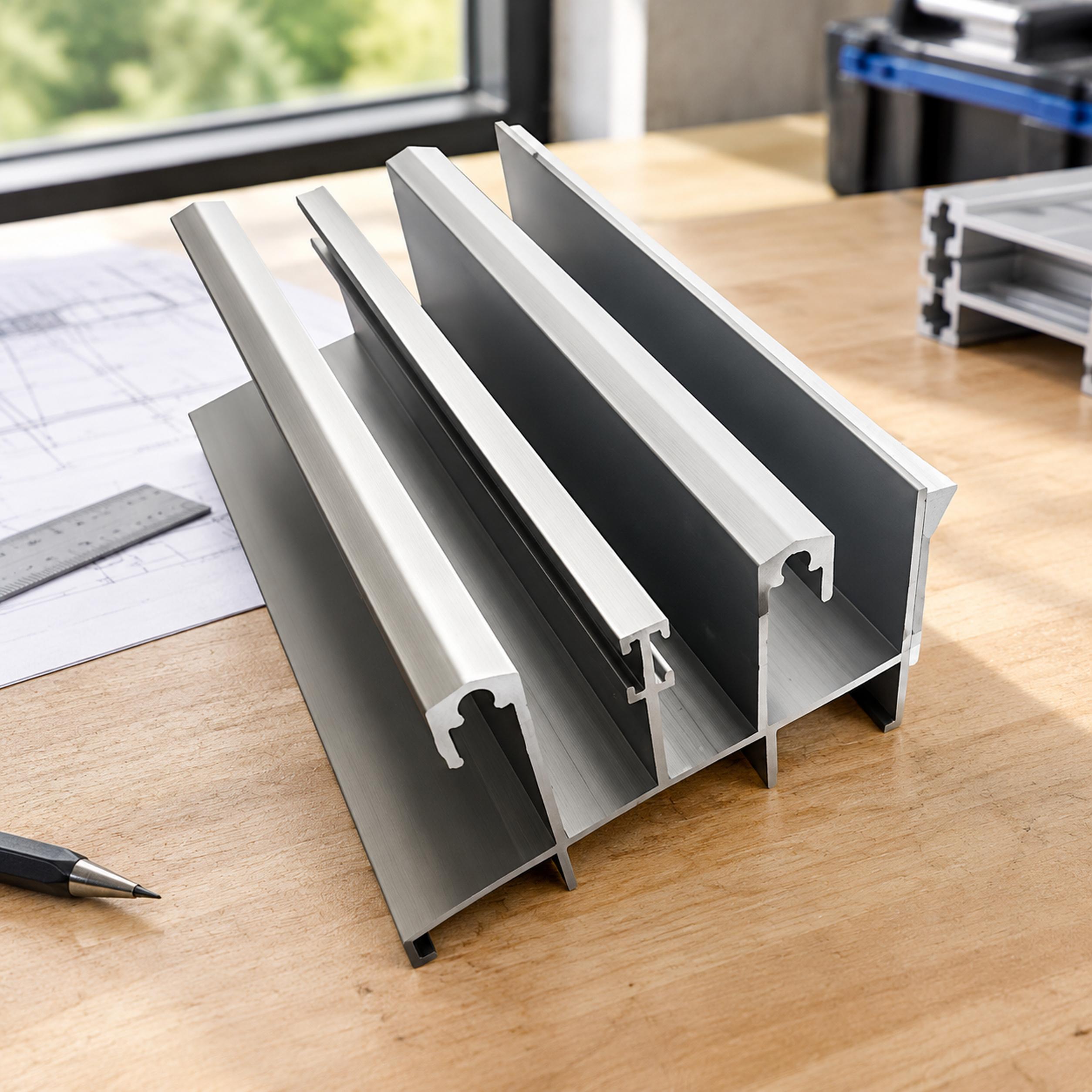
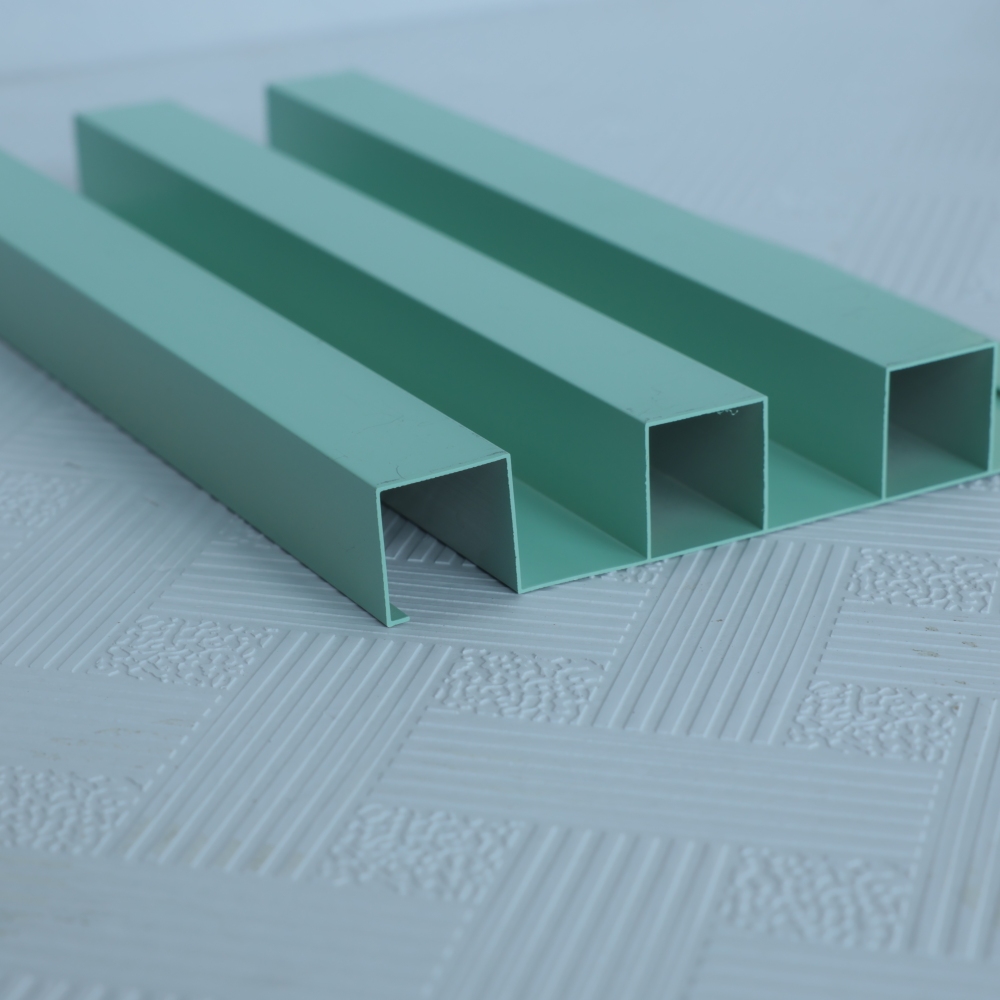
Multi-channel profiles like the one above show up often in sliding door systems and flooring transitions, where the grooves and flanges need to align precisely with hardware that's manufactured separately. A half-millimeter error here can mean a door that binds instead of sliding smoothly.
Common Questions on Custom Extrusion Projects
How long does it take to get a new die made?
This varies by profile complexity, but die design and cutting is almost always the longest single step before production starts. Simpler open shapes move faster than hollow, multi-cavity designs.
Can an existing stock profile be modified instead of starting from scratch?
Sometimes. If the change is minor, like adding a mounting hole pattern, secondary machining after extrusion can avoid a new die entirely. Significant cross-section changes usually require new tooling.
Does a thinner wall always mean a weaker part?
Not necessarily. Thin walls reduce weight and material cost, but rigidity also depends on the overall cross-section shape. A well-designed thin-wall profile with internal ribs can outperform a thicker but poorly shaped one.
Is anodizing better than powder coating?
Neither is universally better, they solve different problems. Anodizing tends to suit applications needing hard, abrasion-resistant surfaces, while powder coating offers broader color options and can be more cost-effective for large decorative runs.
Choosing a Manufacturing Partner
Capacity and consistency matter as much as design flexibility when it comes to picking who actually makes the part. A shop that can only run small batches on light-duty presses will struggle with large architectural orders, while a facility built around high-volume output might not want to engage with a short custom run at all.
For us at Youxin Metal, this balance comes from running 13 large extrusion presses between 600 and 1800 tons, alongside dedicated spraying and wood grain finishing lines. That combination lets a single order move from billet to a fully finished, custom aluminum extrusion profile without changing suppliers mid-project. Since trial production began, monthly output has scaled from a few tens of tons up toward a steady target near 2,000 tons, which matters for buyers who need both a one-off prototype run and dependable repeat volume later.
Getting the Specification Right Before Ordering
Most delays in custom extrusion projects don't come from the press floor, they come from an incomplete specification sent at the start. Before requesting a quote, it's worth confirming four things: the exact cross-section drawing with tolerances marked, the alloy requirement if one is already known, the finish type suited to the installation environment, and the expected order volume for both prototype and production runs.
Getting these details locked in early saves rounds of back-and-forth with the die designer and shortens the path from drawing to finished part. Whether the end use is a curtain wall system, an industrial frame, or a decorative trim piece, custom aluminum extrusions only deliver their value when the upfront specification matches what the application actually demands on the ground.
Related_News
-

Aluminum craftsmanship, a new chapter begins – Eugene Metals' New Year's greeting for 2026
-
Aluminum ingot prices continue to rise, and factories are flexibly adjusting their production capacity to cope with market fluctuations.
-
Aluminum Corrugated Panel: Choosing the Right Wave Profile for Facades and Interiors
-
Aluminum Trim Profiles: A Practical Guide to Finishing and Edge Protection
-
Aluminum Veneer Panel Guide: Profiles, Specs, and Uses
SUBSCRIBE
Find Your Ideal Aluminum Solution
INQUIRY