
Architectural Aluminum Profiles: Material Choices, Finishes, and Fabrication Logic
Specifying architectural aluminum profiles sounds straightforward until the submittal comes back wrong. Wall thickness off by half a millimeter, a finish that chalks within two years, a channel geometry that won't accept the glazing gasket you already ordered. These aren't rare mistakes. They happen because aluminum extrusion looks simple from the outside and isn't.
A profile is really a compromise between four variables: alloy, die geometry, wall thickness, and finish. Change one and the other three shift. Architects who treat profiles as a catalog item rather than an engineered component end up with change orders. The ones who understand the trade-offs get a facade system that performs for decades.
Why Aluminum Became the Default Choice for Facades
Steel rusts, timber rots, and aluminum forms a protective oxide layer when exposed to air. That self-forming oxide layer is the reason aluminum shows up in curtain walls, sunrooms, and roofing trims more than almost any other structural metal. It doesn't need paint to survive weather, though most architectural work adds a finish anyway for color consistency.
Weight matters just as much as corrosion resistance. A curtain wall mullion in aluminum weighs roughly a third of its steel equivalent for comparable moment of inertia, which is why high-rise facade engineers default to it. Lower mass means lighter anchors, smaller crane picks, and less dead load transferred to the structural frame below.
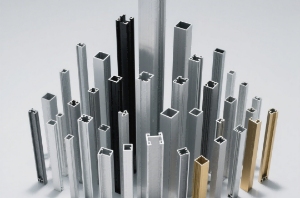
Extrusion is what makes aluminum genuinely different from other structural metals. Heated billet gets pushed through a steel die under enormous pressure, and whatever shape the die carries, the aluminum takes. That's how a single profile ends up with integrated gasket channels, thermal breaks, and screw bosses all in one pass, instead of requiring separate machining steps.
Alloy Selection: The Decision Most Specifiers Skip
Not all aluminum is interchangeable, even though spec sheets sometimes imply it is. The alloy determines strength, extrudability, and how the metal responds to anodizing. Getting this wrong doesn't usually fail an inspection, it just shortens the building's maintenance-free lifespan.
For architectural profiles, the practical decision tree looks like this:
- If the application is load-bearing (structural mullions, support brackets), prioritize alloys with higher tensile strength even if extrusion complexity increases.
- If the application is decorative or non-structural (trim, baffles, panel infill), prioritize alloys that extrude cleanly into fine, thin-wall geometries.
- If the finish is anodizing rather than paint, confirm the alloy takes anodizing evenly, since some alloying elements cause streaking under an anodic coat.
- If the profile will see coastal or industrial exposure, weight corrosion resistance above cost savings on raw material.
High-quality aluminum alloy processed through professional extrusion lines gives fabricators the latitude to hit tight dimensional tolerances across all four of those scenarios, but the alloy choice has to happen before the die is cut, not after.
Finish Options and What They're Actually Good For
Finish gets treated as a cosmetic afterthought in a lot of early design conversations, which is backwards. The finish is the first line of defense against the specific environment the building sits in, and each option has a different failure mode if misapplied.
| Finish Type | Typical Use Case | Primary Advantage | Watch For |
|---|---|---|---|
| Anodized | Curtain walls, high-exposure trim | Hard, integral oxide layer, won't peel | Limited color range vs. paint |
| Powder Coated | Window frames, interior panels | Wide color choice, durable film | Film can chip at sharp edges |
| PVDF (fluoropolymer) | Facade panels, long-term exterior cladding | Strong resistance to UV fading | Higher upfront cost |
| Electrophoretic | Window and door sections | Smooth, even coat on complex profiles | Less common for large flat panels |
| Wood Grain | Interior ceiling baffles, decorative trim | Timber aesthetic without timber maintenance | Pattern consistency varies by supplier |
Anodizing works by thickening aluminum's natural oxide layer electrochemically, so it's not a coating sitting on top of the metal, it's part of the metal. That's why it resists peeling in ways paint systems can't. PVDF, on the other hand, is a liquid-applied fluoropolymer coating, and its chemistry is specifically built to resist the kind of chalking and fading that UV exposure causes over years of direct sun.
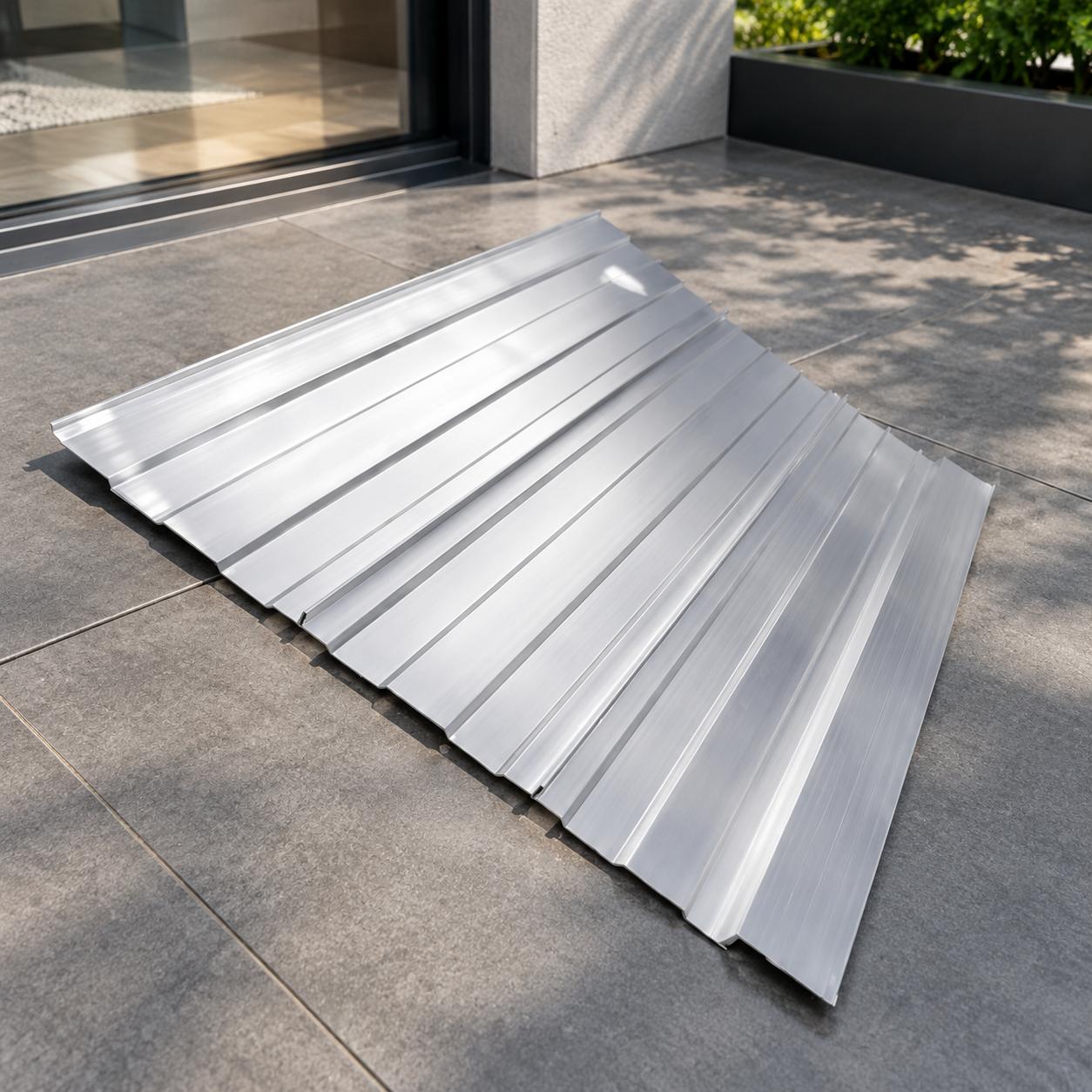
Wood grain finishes deserve a separate mention because they solve a problem architects run into constantly: clients want a timber look but won't accept timber's maintenance schedule. A wood grain finish on an aluminum ceiling baffle delivers the visual warmth without the sealing, staining, or warping risk that comes with real wood exposed to humidity swings.
Profile Geometry: Where Function Meets Fabrication Limits
Here's a detail that surprises a lot of first-time specifiers: not every geometry you can draw in CAD can actually be extruded. Die design has physical constraints, and thin, deep channels are the most common place designs run into trouble.
A profile with multiple internal channels, like the kind used for thermal breaks or wiring runs in curtain wall mullions, needs a die that can hold its shape under extrusion pressure without the metal flow collapsing thin walls before they cool. This is where production capability actually matters rather than being a sales talking point. Fabricators running larger-tonnage extrusion presses can push more complex, thicker cross-sections, while finer architectural trims often need presses tuned for thin-wall precision instead.
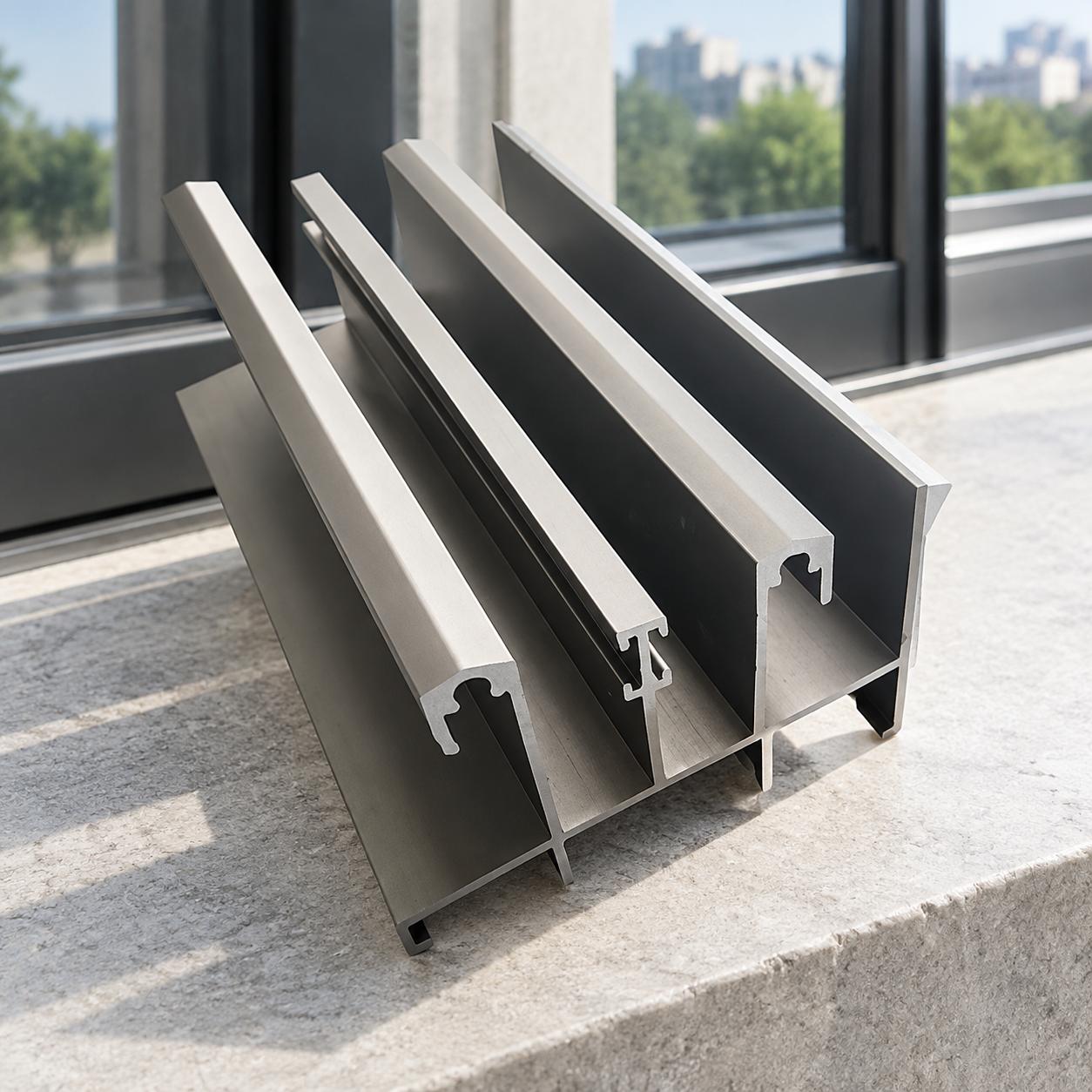
Ultra-thin wall profiles, down near the 0.4 mm range, open up different applications entirely, mostly where weight reduction matters more than raw structural load, such as decorative panel trims or lightweight ceiling systems. That tolerance isn't achievable on every production line. It requires presses and dies specifically calibrated for it, which is part of why profile sourcing decisions should include a conversation about the fabricator's actual equipment range, not just a product catalog.
Matching Profiles to Application: A Practical Breakdown
Different parts of a building ask different things from the same base material, which is why architectural aluminum profile lines rarely come in a single configuration.
- Curtain wall systems: need structural rigidity, thermal break compatibility, and gasket channels machined into the extrusion itself.
- Sunroom framing: prioritizes a balance of light weight and weatherproofing, since these structures are often retrofit onto existing foundations with limited load allowance.
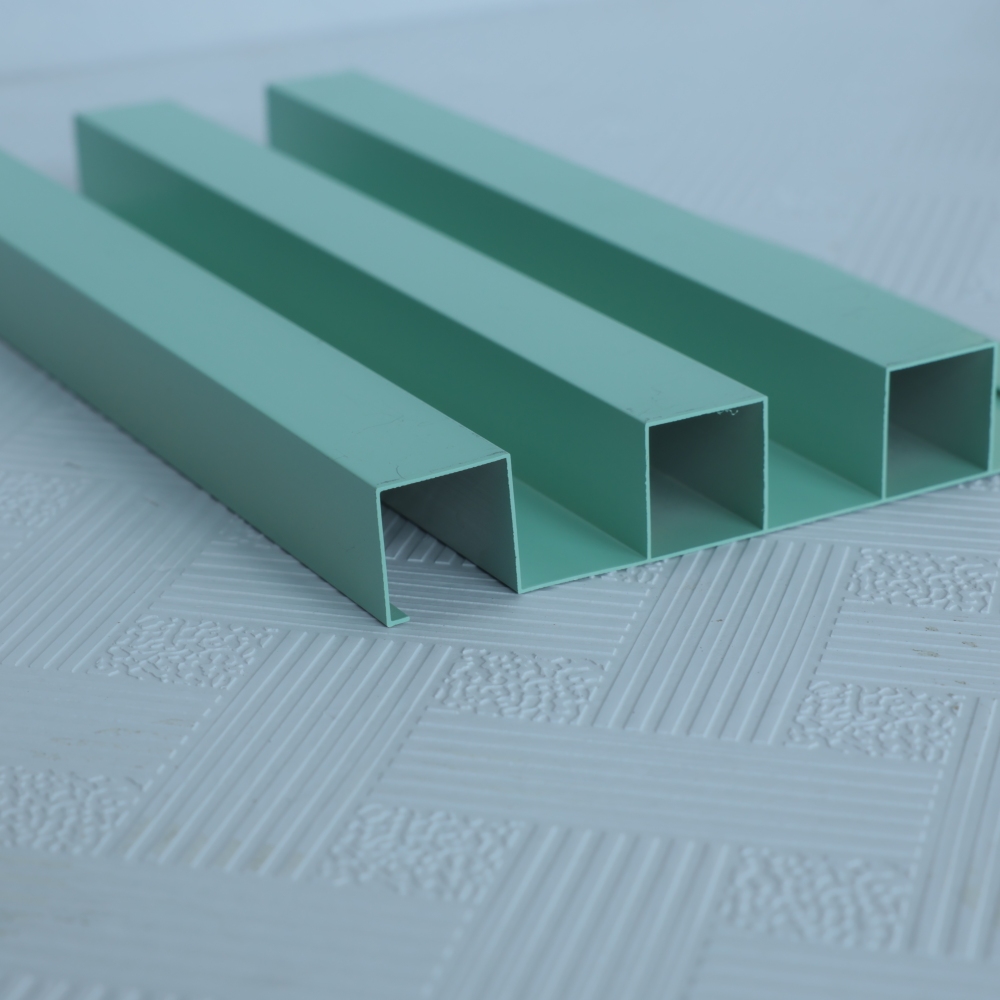
- Interior wall and ceiling panels: favor finish variety and lighter wall sections, since structural load is minimal and aesthetics drive the spec.
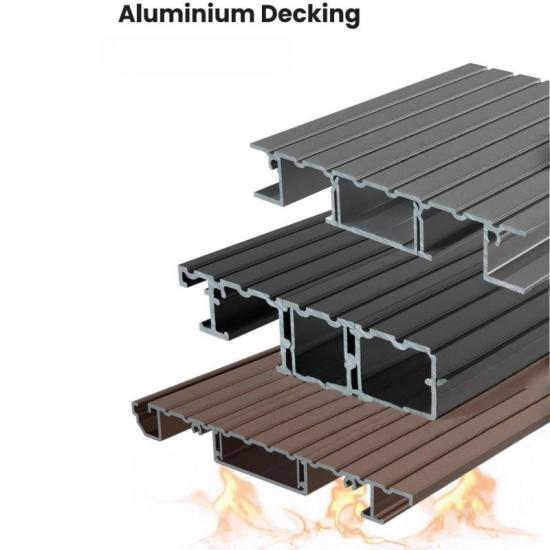
- Flooring and roofing trim: demands corrosion resistance above all else, given constant exposure to moisture, foot traffic, or standing water at roof edges.
- Sliding door and window frames: require tight dimensional tolerance so moving parts don't bind or rattle over years of use.
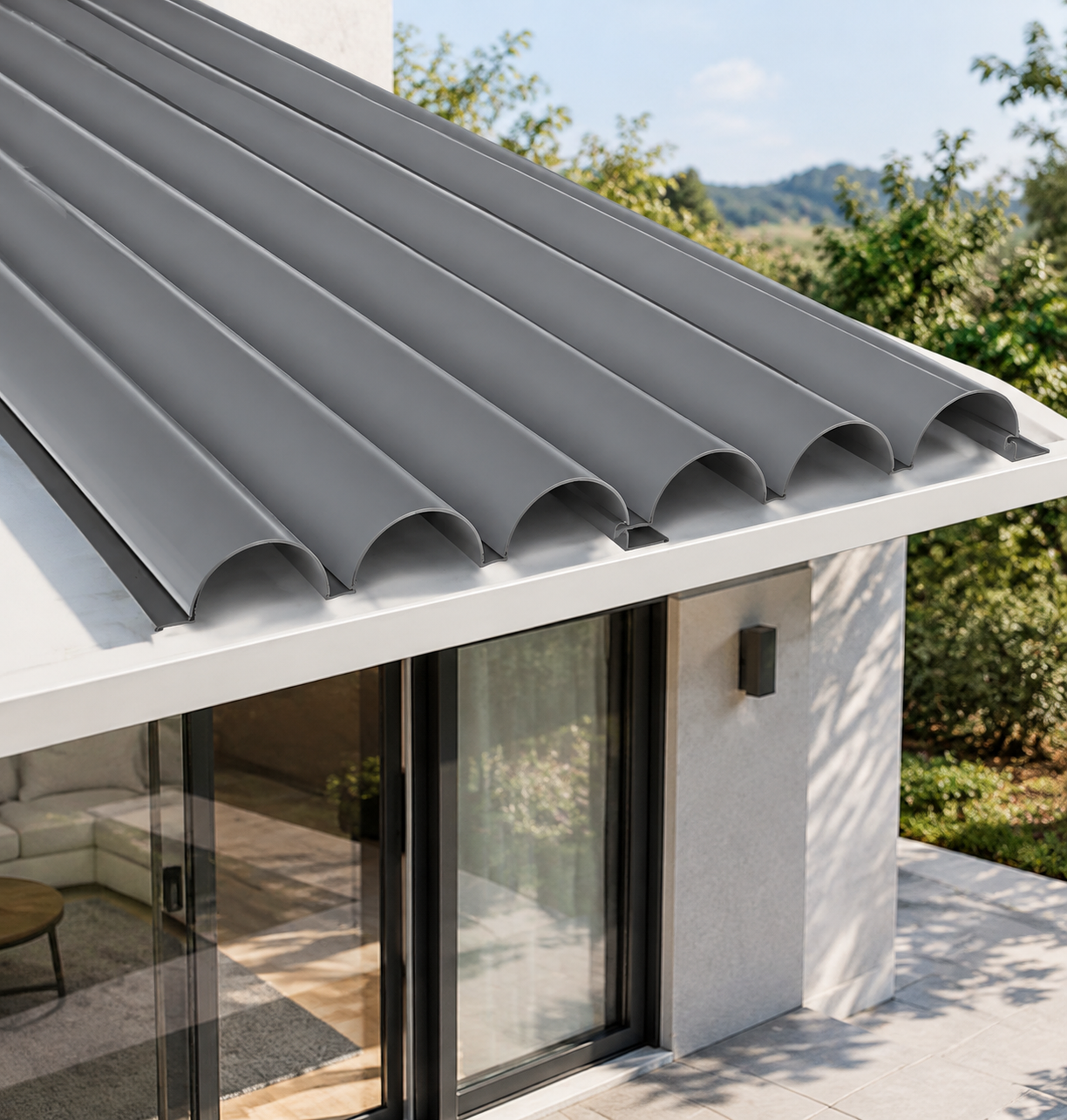
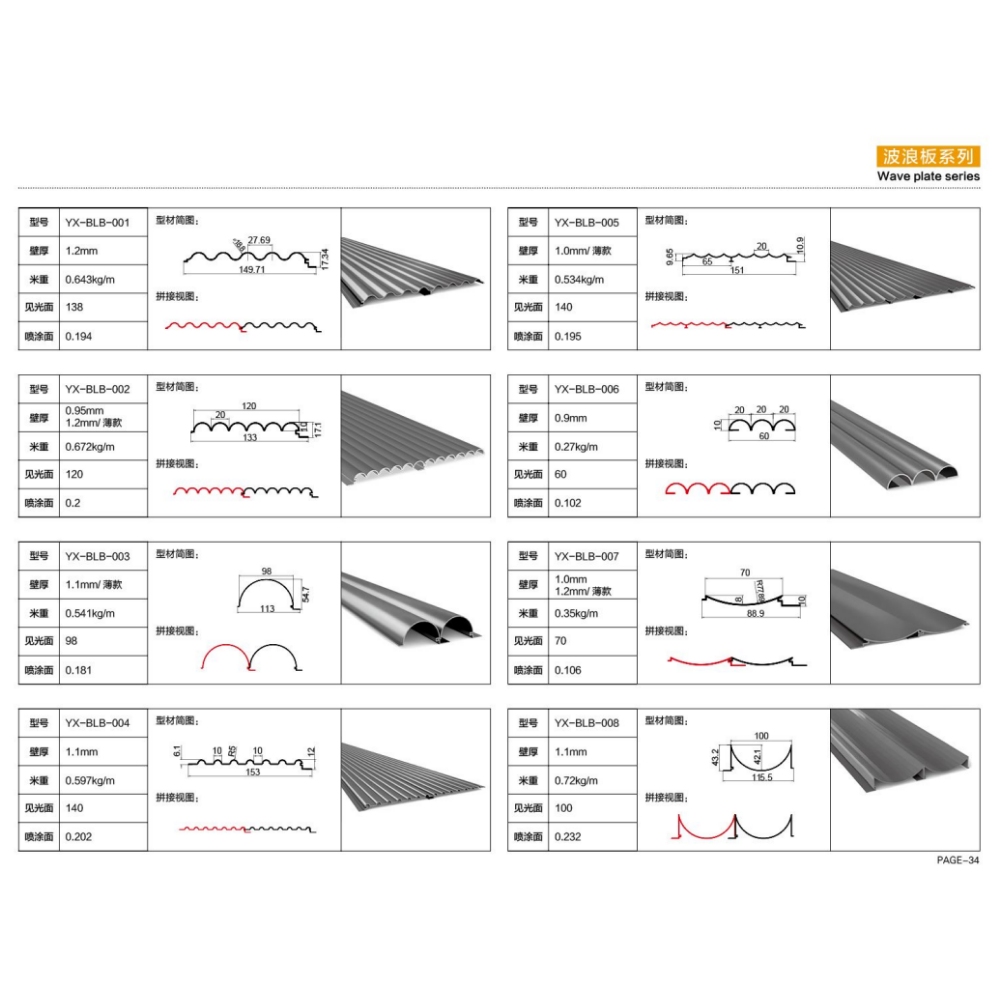
Corrugated and fluted panel profiles, the kind used in Great Wall board cladding or wave-pattern roofing, follow a slightly different logic. Their strength comes from the repeating geometric pattern itself rather than wall thickness alone, similar to how corrugated cardboard gets stiffness from its folded structure rather than paper weight. That's a useful mental model when a client asks why a thinner corrugated panel can still outperform a flat one of similar gauge.
Common Questions on Specifying Architectural Profiles
Does anodized finish cost more than powder coating?
Generally yes, particularly for custom colors, since anodizing's color range is narrower and process-dependent. Powder coating offers more flexibility if the project needs a specific brand color match.
Can one profile design work for both curtain wall and interior trim?
Rarely without modification. Structural requirements for curtain walls usually demand thicker walls and reinforcement channels that interior trim doesn't need and that add unnecessary weight and cost if applied everywhere.
Why do some aluminum panels show streaking after anodizing?
This usually traces back to alloy composition inconsistency or uneven surface preparation before the anodizing bath, not a flaw in the anodizing process itself.
Is custom profile tooling expensive for small projects?
Die costs are real but get amortized across production runs. For small or one-off architectural features, it's worth asking a fabricator whether an existing die can be modified instead of cutting a new one.
Sourcing Decisions That Save Headaches Later
Picking a fabricator comes down to matching their actual production capability to the project's technical demands, not just comparing price per kilogram. A supplier running multiple extrusion lines alongside dedicated spraying and wood grain finishing lines can usually turn a custom profile and its finish into a single coordinated order, which cuts down on the lead time mismatches that happen when extrusion and finishing are outsourced separately.
For us at Youxin Metal, that coordination is built into how the production floor is laid out, with extrusion presses ranging from 600 to 1800 tons feeding directly into in-house surface treatment lines. It's a detail that matters less on paper and more on a job site when a finish batch needs to match a profile run exactly, down to the shade.
Specifying architectural aluminum profiles well means treating the decision as structural engineering with a cosmetic layer on top, not the other way around. Alloy, geometry, and finish all interact, and getting the sequence of those decisions right, before the die is cut and before the finish line is booked, is what separates a facade that still looks sharp in fifteen years from one that needs re-cladding in five.
Related_News
-

Aluminum craftsmanship, a new chapter begins – Eugene Metals' New Year's greeting for 2026
-
Aluminum ingot prices continue to rise, and factories are flexibly adjusting their production capacity to cope with market fluctuations.
-
Aluminum Corrugated Panel: Choosing the Right Wave Profile for Facades and Interiors
-
Aluminum Trim Profiles: A Practical Guide to Finishing and Edge Protection
-
Aluminum Veneer Panel Guide: Profiles, Specs, and Uses
SUBSCRIBE
Find Your Ideal Aluminum Solution
INQUIRY