
PRODUCTS
Understanding Aluminum Surface Treatments: What Coating Options Last the Longest?
Aluminum is widely used in architecture, construction, transportation, furniture, and industrial applications because it is lightweight, strong, corrosion-resistant, and easy to process. However, the right surface treatment can significantly improve its durability, appearance, and resistance to environmental conditions. For manufacturers and buyers choosing aluminum profiles, understanding different coating options is essential for achieving long-term performance.
Why Aluminum Surface Treatment Matters
Although aluminum naturally forms a thin oxide layer that helps protect it from corrosion, additional surface treatments can provide stronger protection. A suitable finish can improve resistance to moisture, UV exposure, scratches, chemicals, and everyday wear.
Surface treatment also plays an important role in appearance. Depending on the project, aluminum profiles can be finished in a wide range of colors, textures, and metallic effects, making treated aluminum suitable for both functional components and visible architectural applications.
Anodizing: Excellent Durability and Natural Appearance
Anodizing is one of the most popular surface treatments for aluminum profiles. Instead of adding a separate coating layer, the process strengthens the natural oxide layer on the aluminum surface.
Anodized aluminum offers excellent corrosion resistance, good wear resistance, and strong adhesion because the finish becomes an integral part of the metal surface. It is particularly suitable for doors, windows, curtain walls, railings, and other architectural applications. With proper processing and maintenance, high-quality anodized aluminum can maintain its appearance for many years.
Powder Coating: Strong Protection and Flexible Colors
Powder coating is widely used when color variety and strong surface protection are important. Dry powder is electrostatically applied to the aluminum and then cured under controlled heat.
A properly applied powder coating creates a tough and uniform surface with good resistance to impact, weather, corrosion, and UV exposure. It offers a broad range of colors and finishes, making it popular for residential, commercial, and architectural projects. For outdoor applications, high-quality architectural-grade powder coating is recommended for better long-term performance.
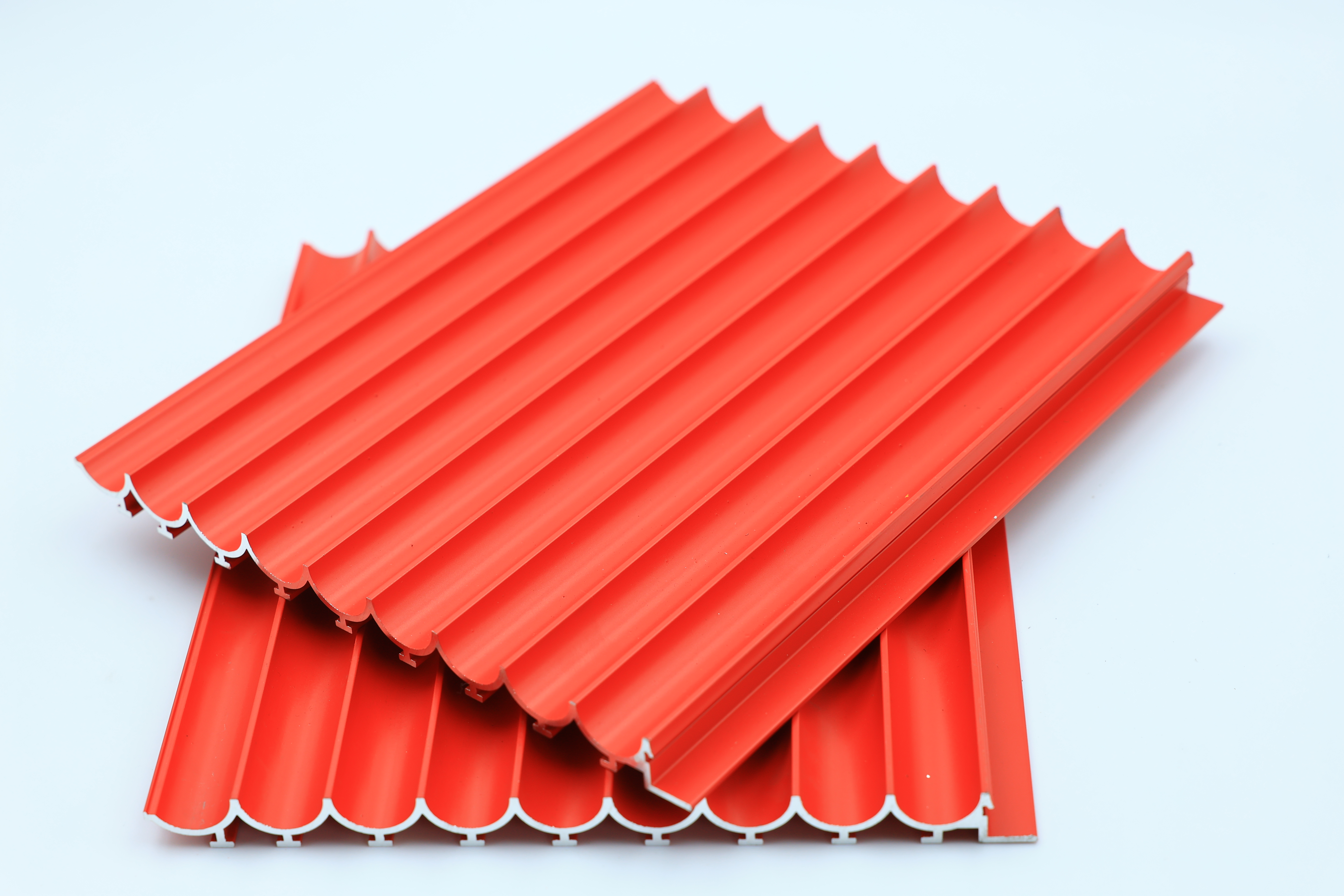
PVDF Coating: Premium Exterior Protection
For buildings exposed to intense sunlight and harsh weather, PVDF coating is often considered a premium solution. PVDF coatings provide excellent resistance to UV radiation, fading, chalking, chemicals, and atmospheric conditions.
This makes PVDF particularly suitable for curtain walls, aluminum panels, facades, and other exterior architectural surfaces where long-term color retention is critical. Although PVDF can cost more than standard finishes, its excellent weather resistance can provide strong long-term value.
Electrophoretic Coating: Smooth and Consistent Finish
Electrophoretic coating, also known as e-coating, provides a uniform protective layer through an electrochemical process. It offers good corrosion resistance, excellent surface consistency, and a smooth appearance.
Electrophoretic finishes are commonly used for aluminum doors, windows, and architectural profiles where both durability and an attractive metallic appearance are required. They can also provide better protection in demanding environments when combined with proper pretreatment.
Wood Grain Finish: Natural Style with Aluminum Durability
Wood grain finishing is an excellent option for projects that require the appearance of natural wood without sacrificing the advantages of aluminum. Through advanced surface finishing processes, aluminum profiles can replicate various wood colors, textures, and patterns.
Wood grain aluminum is popular for doors, windows, facades, ceilings, and interior decoration. It offers the visual warmth of wood while providing aluminum's resistance to moisture, corrosion, and deformation, making it suitable for both indoor and outdoor applications.
Which Aluminum Coating Lasts the Longest?
There is no single surface treatment that is best for every application. Anodizing is ideal for wear resistance and a natural metallic appearance. Powder coating offers excellent versatility and color selection. PVDF is highly suitable for demanding exterior environments, while electrophoretic coating provides a smooth and consistent finish. Wood grain finishes are a strong choice when decorative appearance is a major priority.
Choosing the right aluminum surface treatment can maximize the service life, appearance, and overall value of aluminum profiles. By considering climate, application, maintenance requirements, and desired appearance, buyers can select anodizing, powder coating, PVDF, electrophoretic coating, wood grain, or another suitable finish with confidence.
SUBSCRIBE
Find Your Ideal Aluminum Solution
INQUIRY